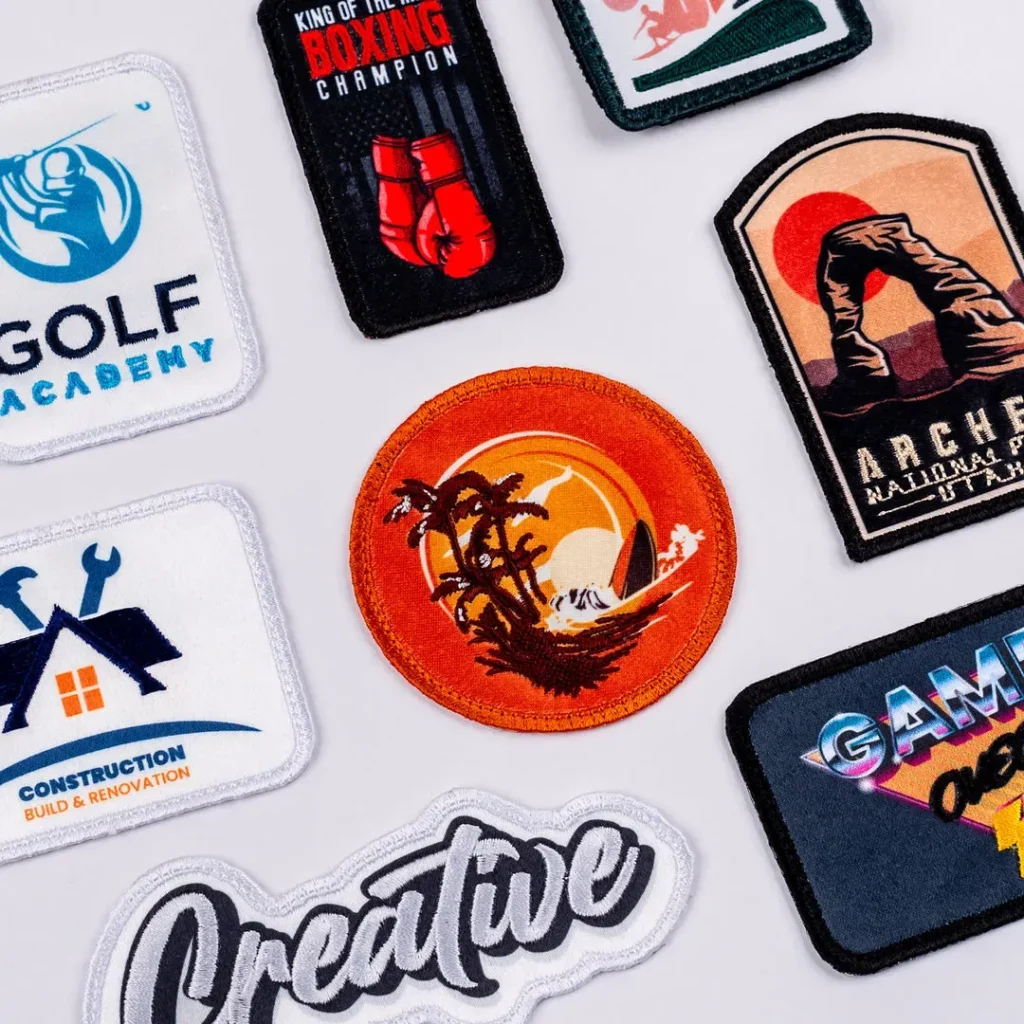
Embroidered patches design sits at the intersection of art and technique, shaping how brands tell their stories on fabric. This guide offers practical insights into the patch design process, from mood boards to production-ready artwork. Understanding how stitches create texture, depth, and a durable finish is essential for modern patches. From concept to wearable patch, teams translate ideas into scalable production and reliable results. By aligning mood, material, and finish, brands can elevate concepts into collectible accents that customers want to touch and wear.
Think of textile emblems and stitched badges as visual signatures that live on jackets, backpacks, and apparel. These embroidery motifs, or sewn-on patches, operate as micro-credentials for a brand’s story. The craft involves selecting threads, balancing stitch density, and choosing backing that fits the garment, all while maintaining legibility at typical viewing distances. When planning a patch collection, designers explore a web of related terms—embroidered badges, fabric insignias, decorative emblems, and badge-like accessories—that reinforce relevance for search engines and readers alike.
Understanding the Patch Design Process: From Concept to Production
A successful patch starts with a clear concept that aligns with your brand language and the garment’s mood. Begin with a mood board and a few quick sketches that answer practical questions: What emotion should the patch convey? Is it purely decorative or brand-driven? Will it sit on denim, leather, or knitwear? By grounding the concept in those questions, you set up a cohesive direction for color theory, stitch choices, and backing options, which streamlines the subsequent steps in the patch design process.
With a solid concept, you can move through the essential steps: sketch refinement, digitization, and stitch planning. You’ll translate an idea into production-ready artwork, define stitch counts, and determine backing requirements. This structured approach reduces revisions and helps you forecast production timelines, costs, and quality controls. Embracing a methodical patch design process ensures your concept stays intact from sketch to final product while accommodating the realities of manufacturing constraints.
Embroidered Patches Design Guide: Techniques That Define Texture and Durability
The core of Embroidered patches design lies in choosing techniques that create the intended texture, weight, and durability. Satin stitch, for example, provides a smooth, glossy edge ideal for lettering and solid shapes, while long-and-short fill adds gradation for dimensional logos or portraits. Running stitch and backstitch offer clean outlines without adding bulk, and couching or laid work introduces decorative thread texture for accents. Merrowed borders deliver a traditional, durable finish that keeps patches looking sharp through repeated washing and wear.
Choosing the right technique depends on your design goals and production realities. Higher stitch counts deliver bold, dense patches but cost more and take longer to produce, whereas lighter fills save time but can wear faster under heavy friction. The patch embroidery techniques you select should balance aesthetics, production speed, and durability, ensuring the final patch reads clearly in close-up photography and in real-world use.
Designer Patches Ideas: Concepts That Translate to Production
Coming up with designer patches ideas begins with identifying brand storytelling opportunities and then translating them into scalable, market-ready patches. Think monogram patches for a timeless, brand-forward look, iconic mascots or signature motifs for immediate visual recognition, thematic patches tied to seasons or collaborations, and patch sets that encourage multiple purchases. Each idea should be evaluated for manufacturability, color fidelity, and how it will perform across fabrics.
To move from concept to production, document the idea with clear visuals and a digitizable plan. Test color relationships, refine silhouettes, and prepare a vectorized artwork with defined stitch counts and backing specifications. The patch design process benefits from early collaboration with digitizers and embroidery houses, as this helps ensure that designer patches ideas translate smoothly into stitch-ready files and consistent, scalable products.
Custom Embroidered Patches: Materials, Backing, and Finishes
Material choice sets the tone for a patch’s look, feel, and longevity. Consider fabric options such as twill, cotton drill, felt, canvas, or leather, and pair them with appropriate stabilizers to prevent puckering during embroidery and washing. Backing options—iron-on, sew-on, or Velcro-backed—offer different levels of convenience and durability depending on the garment and use case. The right combination of fabric and backing improves wearability while preserving the patch’s design integrity.
Edge finishes and backing details complete the patch’s aesthetic and function. A merrowed edge provides a robust, traditional border, whereas laser-cut or heat-cut edges offer a modern, low-bulk profile. When selecting backing, consider the garment’s care instructions and wash cycles; iron-on patches may detach on some fabrics, while sew-on patches provide greater durability for high-movement items. Finishes like metallic threads or specialty fibers can elevate patches for premium products, aligning with the idea of custom embroidered patches that stand out in photos and in person.
Color, Size, and Budget: Achieving Consistent Quality in the Patch Design Process
Color strategy starts with a limited palette—typically 3–5 core colors—so production stays clean and cost-conscious. Introduce a few accent colors to create contrast and emphasis, and always test thread colors against the fabric under the garment’s lighting and expected usage conditions. A thoughtful color approach supports legibility and brand recognition, reinforcing the patch’s role in the broader product story.
Sizing and budgeting are equally important. Standardized sizes (for example, small 1.5–2 inches, medium 2–3 inches, large 3–4 inches) help streamline production and enable batch manufacturing. Budget considerations rise with color count, stitch density, and patch area, so plan a core patch set that can be produced in bulk across multiple garments. Pre-production samples and color-matched tests help lock tolerances and ensure consistent results across runs, aligning with best practices in the patch design process.
From Sketch to Showroom: Real-World Applications and QC for Patch Design
In real-world applications, embroidered patches appear across streetwear, heritage brands, and accessory lines, turning patches into micro-brands that extend product stories. By leveraging the patch design process, designers can create cohesive badge systems, collectible patch sets, and narrative-driven collections that resonate with consumers and drive repeat purchases. The right patch design can elevate showroom photography and translate into tangible, wearable storytelling.
Quality control and production readiness are critical to maintaining consistency. Establish a pre-production sample, verify color accuracy against a thread chart, test patches on the intended fabrics, and confirm backing integrity after multiple wash cycles. For international distribution, specify tolerances for size, color, and backing strength to minimize surprises at delivery. Sophisticated digitization, stitch simulation, and production-ready artwork keep the patch design process efficient from concept through end-use, ensuring reliable quality for custom embroidered patches.
Frequently Asked Questions
What is Embroidered patches design and how can the Embroidered patches design guide help in the patch design process?
Embroidered patches design is the art and craft of translating concept into texture, color, and stitch. The Embroidered patches design guide walks you from mood boards and quick sketches through digitization, stitching, materials, finishes, and production, helping you balance creative vision with manufacturability for garments and accessories.
Which patch embroidery techniques are most common in embroidered patches design, and how do they affect texture and durability?
Common patch embroidery techniques include satin stitch for smooth edges, long-and-short fill for shading, running or backstitch for fine outlines, couching for decorative texture, and merrowed borders for a durable finished edge. The choice of technique shapes texture, weight, and how well the patch wears and launders over time.
How can designer patches ideas be translated into production for custom embroidered patches?
Start with designer patches ideas using a mood board and quick sketches to lock in shape and color relationships. Then digitize the artwork, define stitch counts and underlays, test stitch density in a simulation, and specify backing and finishes. Close collaboration with a skilled digitizer or embroidery house ensures the concept becomes production-ready custom embroidered patches.
What should I consider in the patch design process when selecting materials for custom embroidered patches?
Material choice drives look, feel, and durability. Consider fabrics like twill, cotton, felt, canvas, or leather, and choose stabilizers to prevent puckering. Decide on backing (iron-on, sew-on, Velcro) and edge finishes (merrowed vs laser-cut) based on the garment type and washing expectations.
How do edge finishes and backing options influence durability and aesthetics in embroidered patches design?
Edge finishes affect both durability and style: merrowed borders provide a traditional, sturdy finish, while laser-cut or heat-cut edges offer a modern, lower-bulk look. Backing options—iron-on, sew-on, and Velcro—impact ease of use and longevity, especially across different fabrics and repeated washes.
What practical tips from the embroidered patches design guide help manage timing, cost, and quality for designer patches ideas or custom embroidered patches?
Plan with standardized sizes (e.g., 1.5–4 inches) and limit color counts (3–5) to control cost. Create a core patch set for batch production, get pre-production samples, test color accuracy against thread charts, and document sketches, digitized artwork, and stitch counts to ensure consistent quality across runs. Collaborate early with a digitizer or embroidery house to streamline timelines and avoid rework.
| Aspect | Key Points |
|---|---|
| Concept and design goals |
|
| Patch embroidery techniques |
|
| Materials and backing basics |
|
| Color theory and rendering |
|
| From sketch to digitization |
|
| Edges and finishes / backing options |
|
| Designer patches ideas & production considerations |
|
| Practical tips |
|
| Common mistakes |
|
| Real-world applications & case studies |
|
Summary
Embroidered patches design blends artistry with manufacturing to elevate garments and accessories. It strengthens branding, expands storytelling, and creates tangible assets customers want to touch, wear, and share. By starting with a robust concept, selecting suitable embroidery techniques, materials, and finishes, designers can produce patches that look great in showroom photography and endure daily wear. The patch design process—from concept to digitization to production—benefits from clear specifications, diligent testing, and collaborative execution with digitizers and embroidery houses. When done well, embroidered patches become enduring micro-brand elements that amplify identity, tell stories, and enhance product differentiation across collections.