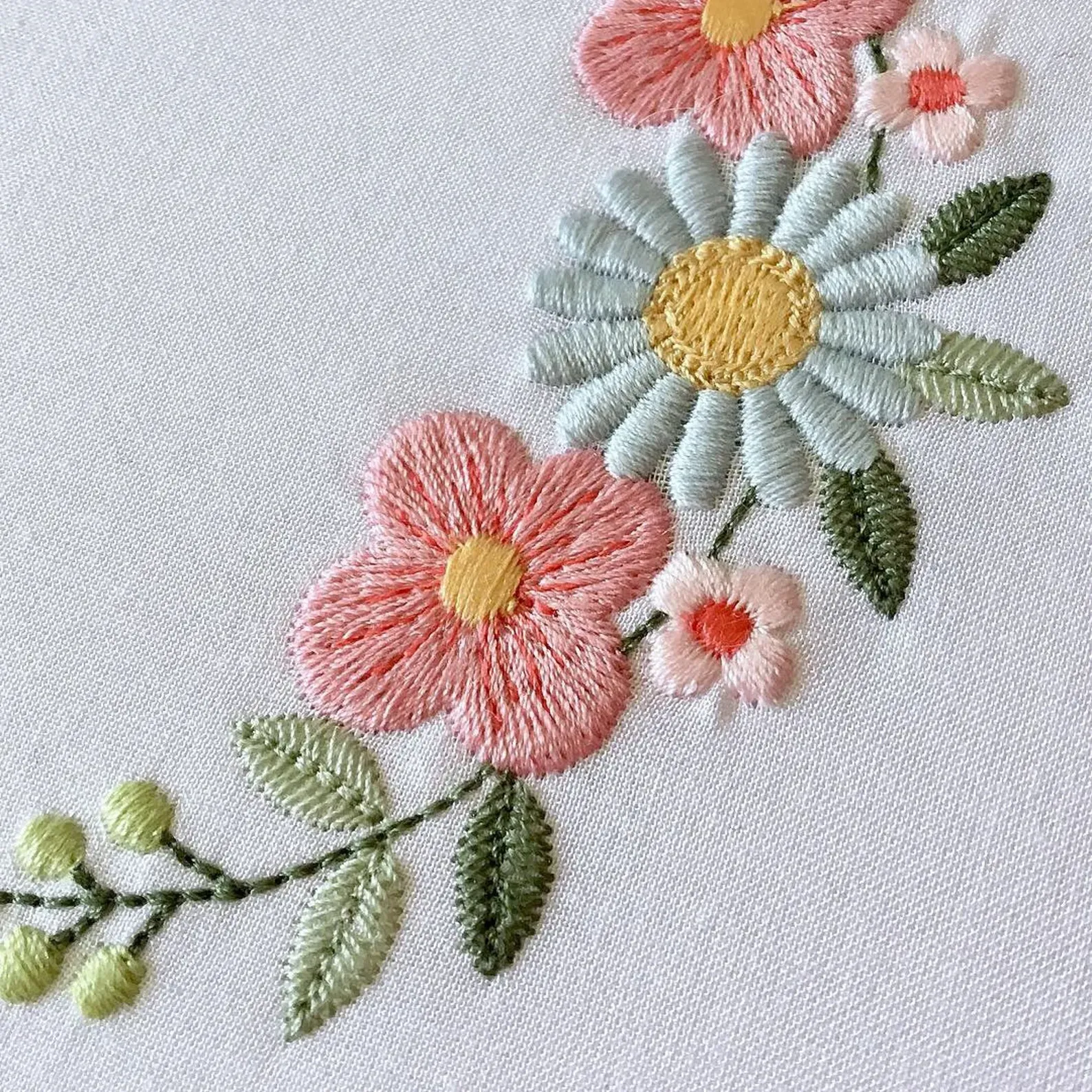
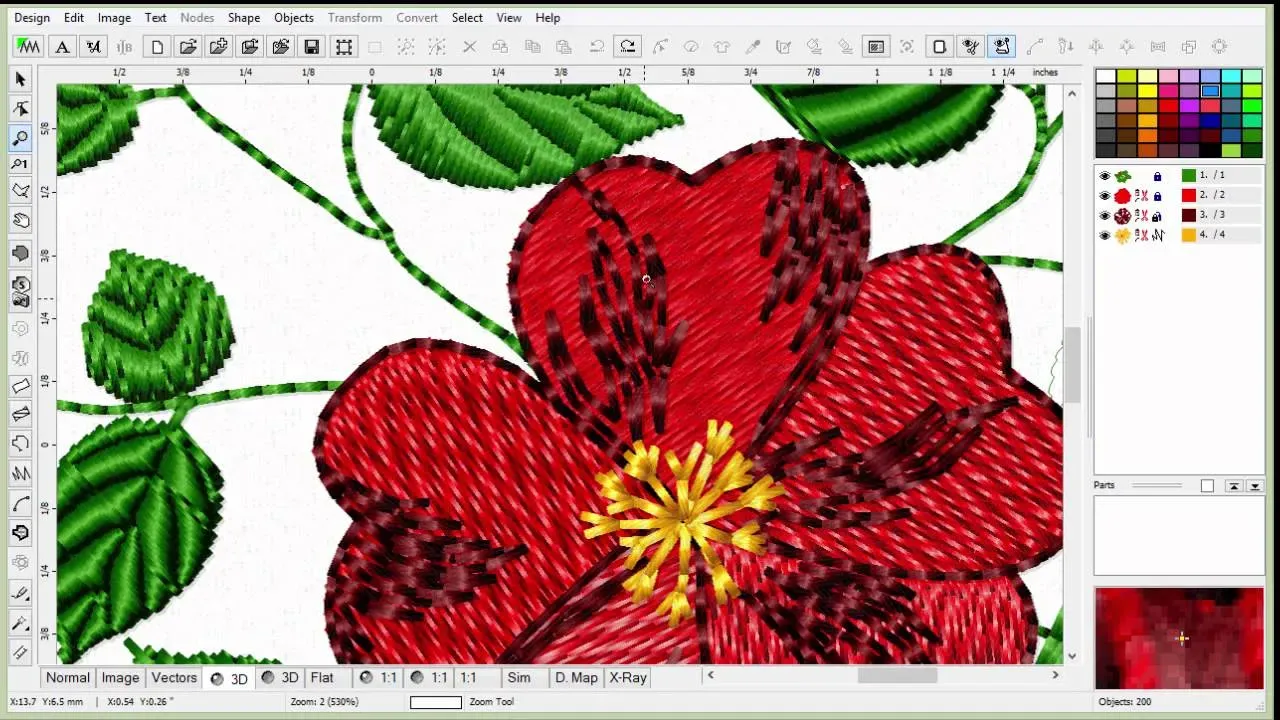
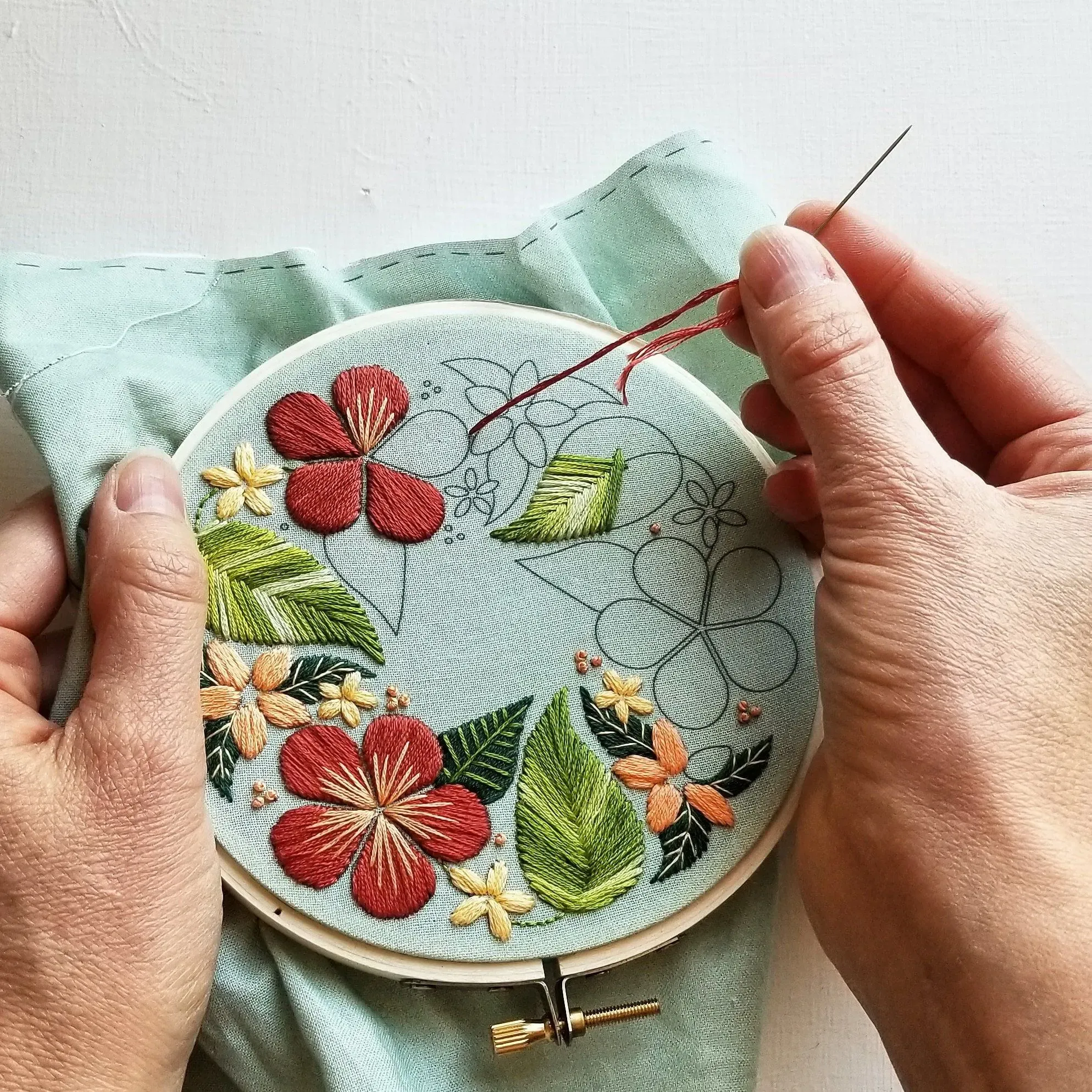
Embroidered design issues can challenge even seasoned hobbyists and professional embroiderers, turning an exciting project into a lengthy diagnostic journey that rewards careful observation and systematic testing rather than guesswork; practically, this mindset means documenting how fabrics respond to different stabilizers, noting how thread types behave under varying tensions, and approaching each project with a methodical mindset that saves time on future builds. To master these concerns, start by clarifying what each symptom looks like—embroidery tension issues can manifest as uneven rows, loose loops, or a tugging sensation in dense areas, while the rest of the design may appear flatter or more distorted than intended; by analyzing fabric weight, stitch density, and hooping accuracy, you can map symptoms to configurations and establish a reliable troubleshooting workflow rather than chasing random issues.