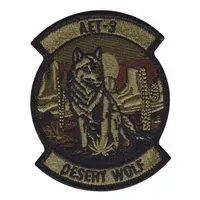
Custom Patches 101 opens a practical guide to personalizing clothing, bags, and gear with one of the most versatile and affordable methods, helping beginners and seasoned makers alike discover how simple hardware and creative ideas can transform everyday items. Whether you’re decorating a denim jacket, branding team uniforms, or crafting thoughtful gifts, this guide helps you navigate embroidery patches, iron-on patches, and sew-on patches, outlining who each option is best for and why they work in different settings. You’ll learn the basics of patch formats, how they’re made, when to choose each type, and how to apply and care for patches so they last through many washes, with practical checklists and real-world tips. By following clear steps and patch customization tips, you’ll gain a confident roadmap for patch customization that fits your style, your budget, and your durability needs, whether you’re updating a wardrobe or outfitting a team. From design considerations to maintenance, this introduction sets the stage for doing it yourself with professional-looking results and explains how professional results become achievable through careful prep and practice.
In practical terms, these fabric emblems come in several styles you can add to garments, backpacks, and gear. Think of embroidered patches, heat-activated patches, and sew-on badges as three approaches to branding or personalizing items. By considering backing, finishing, and attachment methods—such as heat-seal irons, sewing finishes, or durable sew-on methods—you choose the right option for durability and washability. Whether you’re reviving a favorite jacket or creating branded gear, this latent-semantic approach helps you explore related topics like applique patches, fabric emblems, and patch placement strategies. This broader framing supplements the hands-on guidance and points you toward smart, lasting results.
Custom Patches 101: The Ultimate Starter Guide to Patch Formats, Applications, and Care
Custom Patches 101 opens a practical guide to one of the most versatile and affordable ways to personalize clothing, bags, and gear. In this starter section, you’ll learn the three core formats—embroidery patches, iron-on patches, and sew-on patches—and how each format affects look, feel, and durability.
By understanding patch formats, you’ll have a smarter framework for choosing the right option for denim jackets, team uniforms, or thoughtful gifts. This section covers how patches are made, when to use heat-seal vs sewing, and how to apply patches and care for them so they last through countless washes and wear.
Throughout this Custom Patches 101 guide, you’ll gain practical tips, simple decision criteria, and a clear roadmap that aligns patch choices with your style and durability needs.
Embroidery Patches vs Iron-On Patches: Choosing the Right Patch for Durability and Style
Embroidery patches, sometimes called embroidered patches, deliver texture and color depth with a premium look. They typically feature merrowed borders to prevent fraying and to provide a clean edge for sewing or heat sealing.
Iron-on patches offer quick, tool-free application and broad fabric compatibility, but their adhesive quality depends on heat, washing conditions, and the patch’s overall craftsmanship.
Choosing between embroidery patches and iron-on patches depends on the project: embroidery for durability and a classic hand-crafted vibe, iron-ons for speed and convenience, or a sew-on option for added security on active gear.
Sew-On Patches for Longevity: When to Stitch for Maximum Washability
Sew-on patches provide the strongest long-term hold through stitching, making them ideal for uniforms, outdoor gear, and items that endure frequent washing.
With a tight satin stitch around the edge and a durable backing, sew-on patches stay secure and resist edge fraying even after many launderings.
Although sewing takes more time, the result is a cleaner, more reliable finish that won’t fail if the adhesive weakens.
Patch Customization Tips: Design, Sizing, Color, and Placement Strategies
Design matters: bold silhouettes and high-contrast colors read well at small sizes, which is crucial for embroidery patches where fine details can blur.
Sizing and backing choices influence practicality: larger patches make a statement on jackets, while small patches require crisp lines and tighter edge finishing for legibility.
Placement strategies matter: align patches with seams or logos, maintain brand consistency if patches represent a team or company, and consider the garment’s function when choosing where to place patches.
A Practical How-To Guide: How to Apply Patches on Different Fabrics
Embroidery patches can be sewn on with a satin stitch or zigzag around the merrow edge; position the patch, pin it, and stitch to secure a durable finish.
Iron-on patches require a clean surface; place the patch, cover with a pressing cloth, and apply heat with a steady, firm pressure for the recommended time, then let cool and test adhesion—this is a practical guide on how to apply patches.
Sew-on patches use a compatible needle and stitch pattern; a tight satin stitch around the edge helps prevent fraying and ensures the patch stays put through wear. For thicker fabrics, adjust tension or stitch length to maintain a clean edge.
Care, Maintenance, and Troubleshooting for All Patch Types
Durability depends on patch type and how it’s applied. Wash iron-on patches inside-out on a gentle cycle to minimize heat exposure, while sew-on patches tolerate regular washing when secured with strong stitching.
Common issues include adhesive failure on iron-ons, edge fraying on any patch, and lifting after washing. Re-sewing for sew-on patches or reapplying an iron-on patch with proper heat can extend life.
Proactive care—test patches on similar fabrics, avoid direct high heat on patches, and mark placement before application—helps prevent mistakes and keeps patches looking fresh for years.
Frequently Asked Questions
What is Custom Patches 101 and how does it cover embroidery patches, iron-on patches, and sew-on patches?
Custom Patches 101 is a practical guide to patch formats and patch customization. It explains the differences, attachment methods, and care for embroidery patches, iron-on patches, and sew-on patches, helping you choose the right format and achieve professional results.
How do embroidery patches differ from iron-on patches and sew-on patches, according to Custom Patches 101?
Embroidery patches are stitched with a textured, premium look and usually have a merrowed border; iron-on patches use heat-activated adhesive for quick application; sew-on patches rely on durable stitching. Custom Patches 101 outlines the pros, cons, and ideal use cases for each format.
What patch customization tips does Custom Patches 101 offer for selecting the right patch format?
Key patch customization tips include starting with a clean concept, choosing appropriate backing and edge finishing, planning color and size for legibility, and maintaining branding consistency. The guide shows when to choose embroidery patches for premium aesthetics, iron-on patches for quick projects, and sew-on patches for durability.
How to apply patches: what does Custom Patches 101 say about applying embroidery patches, iron-on patches, and sew-on patches?
For embroidery patches, sew around the merrow edge with a suitable stitch; for iron-on patches, heat with a pressing cloth and apply firm pressure until bonded, then cool; for sew-on patches, stitch around the edge with a tight satin stitch. The guide also notes fabric compatibility and finishing tips.
What care and durability guidance does Custom Patches 101 provide for iron-on patches and sew-on patches?
Durability depends on patch type. Iron-on patches should be washed inside-out on gentle cycles and heated carefully to avoid adhesive breakdown; sew-on patches are the most durable with proper stitching. The guide also advises checks for edge fraying and reapplication if needed.
When should you hire a pro for patch projects, according to Custom Patches 101?
Hire a pro for large batches, team uniforms, or corporate branding to ensure consistency and quality. A professional patch supplier can assist with design finalization, digitization for embroidery patches, material selection, and quality control, while DIY approaches work well for personal projects.
| Topic | Summary | Best For / Notes | Key Considerations |
|---|---|---|---|
| Patch Formats Overview | Three main formats: embroidery patches (stitched), iron-on patches (heat-bonded), and sew-on patches (stitched without backing). Each has distinct attachment methods, durability, and care needs. | Baseline understanding for choosing patches | Attachment method, durability, and washability vary by format; use this to guide early decisions. |
| Embroidery Patches | Patches are stitched patterns on fabric, with merrowed borders for clean edges; offer texture and premium look; come in many sizes and shapes. | Best for premium aesthetics and durability | Usually requires sewing or heat-press attachment; higher cost; edge finishing critical. |
| Iron-On Patches | Heat-activated adhesive backing; bonds with heat (iron/press); quick and beginner-friendly; works on many fabrics. | Best for quick customization and easy projects | Adhesive durability depends on heat, washing, and patch quality; some fabrics may resist bonding; edges may fray if not sealed. |
| Sew-On Patches | Attach using stitching; most secure long-term hold; ideal for items washed often or subjected to heavy wear. | Best for uniforms, outdoor gear, or durable use | Requires sewing machine or hand stitching; longer application time; edge security depends on stitch quality. |
| Choosing the Right Patch | Ask what item it’s attached to, how often it’s washed, desired durability, and budget. | Guides format choice by use-case | Embroidery for premium look; iron-on for quickers; sew-on for durability; balance cost and practicality. |
| Materials, Design, and Production Considerations | Backing/finishing, thread quality, size/shape, and mounting method influence final result. | Design fidelity and durability depend on production choices | Choose merrow borders, appropriate backing, and high-quality threads; plan edge finishing and size to preserve detail. |
| Durability and Care | Care steps depend on patch type; avoid excessive heat; follow washing guidance; sew-on patches tolerate regular washing better. | Important for longevity | Turn garments inside out for iron-ons; re-sew edges as needed; avoid high heat; iron-on longevity varies with use. |
| Patch Customization Tips | Design with clear silhouette, strong color contrast; consider backing and edge finishing; plan color, size, and branding consistency. | Helpful for brand or personal projects | Prepare clean concept, choose backing for garment, ensure tight merrow border, use high-contrast colors, balance size and shape. |
| Practical How-To | Embroidery: sew or machine with a zigzag/satin edge; iron-on: apply heat with cloth and pressure; sew-on: secure with tight satin stitch. | Hands-on application guidance | Ensure alignment, pin, and finish edges; let iron-ons cool; adjust tension for thicker fabrics. |
| Pricing, Sourcing, and When to Hire a Pro | DIY options work for personal projects; for large batches, consider a patch manufacturer for design digitization, material selection, and QC. | Best for scale projects | Professional help improves consistency; digitization and backing choices impact durability and washability. |
| Common Mistakes | Skip test patches; neglect edge finishing; overheat iron-ons; poor placement. | Mitigation | Test on similar fabrics; finish edges; follow heat guidelines; mark placement before applying. |
| Creative Ideas and Trends | Micro-patches, themed sets, mixed-media designs, and DIY patch bundles. | Inspiration and diversification | Experiment with sleeve/collar micro-patches; tell stories with sets; mix embroidery with print for depth. |
| Conclusion: Roadmap | Wrap-up of key concepts and how to apply them to solve real-world patch projects. | Summarizes and reinforces learning | Plan designs, select materials, apply correctly, and care for longevity to realize the Custom Patches 101 approach. |
Summary
Custom Patches 101 is your practical, step-by-step guide to personalizing gear with embroidery, iron-on, and sew-on patches. By understanding the strengths and limitations of each format, you can choose the right patch type for your project, apply it with confidence, and care for it to extend its life. This guide helps you plan designs, select materials, and implement patches that look great and wear well for years to come, whether you’re upgrading a wardrobe, outfitting a team, or building a small business’s branding toolkit.