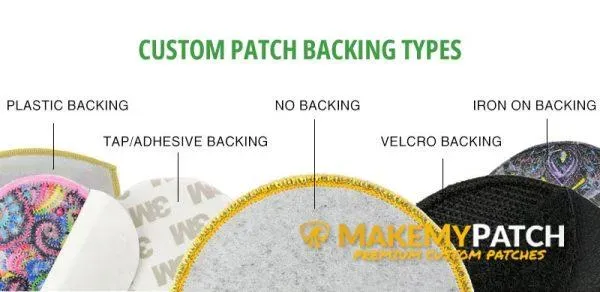
Backing for Custom Patches is the unseen engineer behind how a patch sits on fabric, endures washing, resists distortion, and maintains a crisp, professional finish that customers notice from across a room. Choosing the right backing is not just about thickness; it shapes durability, edge stability, and washability, and thoughtful projects benefit from stabilizers for embroidery patches to keep artwork crisp across fabrics, garment types, and seasonal design changes, while also influencing feel and drape. From tear-away to cutaway to fusible backing, each option offers its strengths and compromises—tear-away for lightweight fabrics with a soft back, cutaway for heavy wear, and fusible for quick, fused edges that reduce finishing steps, while maintaining careful temperature control to protect fabrics. In practical terms, your choice should reflect fabric type, intended use, and whether patches will be applied once, removed after seasons, or endure frequent laundering, guiding you toward a balance of softness behind the design and lasting structural support, even on uneven or stretchy textiles. With a thoughtful backing strategy, patches can achieve sharper lines, smoother adhesion, and longer life, allowing designers to focus on creativity while ensuring the finished product withstands the rigors of wear, wash, and everyday handling across a range of garments and use cases.
Backing for Custom Patches: The Foundation of Look, Wear, and Washability
Backing for Custom Patches is the unseen engineer behind every well-made patch. It shapes how the design sits on fabric, how it handles heat from irons or heat presses, and how it survives repeated washing. When you choose the right backing, you gain stability for delicate embroidery, minimized edge fraying, and a finish that stays true through countless wears. The right backing also influences appliqué ease and the overall appearance, making it more than just a technical detail.
To select the best backing, weigh your options against fabric type, application method, and the intended use of the patch. Consider durability, washability, and how much bulk your garment can tolerate. By understanding backing options—whether you’re producing corporate emblems, school spirit patches, or fashion-forward designs—you’ll align your choice with both fabric behavior and final wear expectations.
Tear-Away Stabilizers: When to Use Tear-Away Stabilizer for Patches
Tear-away stabilizers are a popular choice when embroidery is dense or highly detailed but you want minimal bulk behind the patch. They provide a temporary foundation that you tear away after embroidery is complete, helping the design lie flat on the garment. This makes tear-away especially suitable for stable fabrics where excess backing could cause puckering.
However, tear-away backing can leave a slight residue if removed aggressively, and some patches may need a bit more structure for frequent washing. When selecting backing, balance the need for edge stability with the wear pattern of the fabric, keeping in mind the broader goal of a clean, lasting finish.
Cutaway Stabilizers vs Tear-Away: Balancing Durability and Backing Bulk
Cutaway stabilizers stay in place permanently, providing ongoing support under the edges of the patch. This is a strong option for patches that will experience heavy wear or frequent washing, and for fabrics that are stretchy or prone to distortion. The added body from cutaway backing helps prevent edge fraying and keeps the patch looking sharp over time.
The trade-off is greater backing thickness and a heavier patch, which can impact comfort and garment drape. For high-wear items like uniforms or outdoor gear, cutaway is often the durable default; for lighter applications, you might opt for a mix of tear-away with targeted cutaway support to balance stability and feel.
Iron-On Patch Backing Options: Quick Attachments and Durable Results
Iron-on backings offer a convenient way to attach patches with heat, making them attractive for consumer products or quick-turn projects. This falls under the umbrella of iron-on patch backing options, which can simplify placement and reduce initial sewing requirements. When heat-tolerant fabrics are involved, ironing provides a strong initial bond that can be reinforced later with stitching.
Many projects use a combination approach—an initial iron-on or fusible step for placement, followed by stitching for added security. Still, heat exposure must be controlled to avoid damaging delicate fabrics or causing edge glossiness. Choosing the right iron-on backing involves considering fabric compatibility and the desired balance between speed and durability.
Fusible and Water-Soluble Stabilizers: Clean Edges with Minimal Backing Bulk
Fusible stabilizers/backing are designed to bond to fabric with heat, creating a strong, integrated patch. They can simplify application and yield a clean, flush look on the surface of the fabric. Fusible options are especially useful for materials that don’t take well to traditional sewing at the edges, or for patches applied to thicker items like jackets or bags.
Water-soluble stabilizers dissolve away after washing or when moistened, leaving behind a minimal back profile with clean edges. This option is ideal for heavily embroidered designs where you want the patch to sit flat with little visible backing. When using fusible or water-soluble stabilizers, plan for heat settings and fabric compatibility to avoid glossiness or residue.
Choosing Backing by Fabric Type and Use Case: A Practical Decision Matrix
Fabric type and garment weight are major determinants of backing choice. Lightweight fabrics may benefit from lighter backings to avoid bulk, while denim or canvas can support thicker stabilizers for shape retention and durability. For stretch fabrics, select stabilizers that tolerate movement without distorting the design, aligning with stabilizers for embroidery patches as a guiding principle.
Consider patch size, embroidery density, application method, and wash conditions. Dense designs often require sturdier backings like cutaway or fusible stabilizers, while smaller, simpler patches may work well with tear-away. Always test patches on the actual fabric and washing conditions you expect to encounter to ensure your backing choice delivers the intended look and wear.
Frequently Asked Questions
What is backing for custom patches and why is it important?
Backing for custom patches is the stabilizer or adhesive layer behind the embroidery that supports the patch during production and on fabric. The right backing influences durability, washability, edge stability, and the final finish. This is a core part of custom patch backing options, including tear-away stabilizers for patches with dense embroidery, cutaway stabilizers for heavy wear, fusible stabilizers, water-soluble stabilizers, and iron-on versus sew-on backing options; the best choice depends on fabric, application method, and how the patch will be used.
When should I use tear-away stabilizers for patches?
Tear-away stabilizers are ideal for patches on stable fabrics with dense embroidery where you want minimal backside bulk and easy removal after finishing. They work well on woven fabrics and are a good starting point within the tear-away stabilizer for patches category. Be aware that removing aggressively can leave a slight residue, so plan accordingly.
Cutaway stabilizer vs tear-away: which is better for durable wear?
Cutaway stabilizers stay in place permanently, providing ongoing support under the patch edges. They’re best for patches that will see heavy wear or frequent washing, or for fabrics that stretch. While they add thickness, cutaway stabilizers generally yield a more durable, distortion-resistant result compared with tear-away, especially in long-term use.
What are iron-on patch backing options and how do I choose between iron-on and sew-on?
Iron-on patch backing options attach patches with heat for quick placement, making them convenient for consumer products. Sew-on backings require stitching for durability, which is ideal for uniforms or heavy wear. Some projects use a combined approach—an initial iron-on step for placement followed by stitching for security. Choose based on fabric heat tolerance, user application, and expected wear.
How do stabilizers for embroidery patches affect performance on different fabrics?
Stabilizers for embroidery patches should align with fabric type and garment weight. Denim or canvas typically benefit from cutaway or heavier fusible stabilizers to resist fraying and maintain shape, while knits may need lighter backings to avoid bulk. Leather and thick synthetics may require tougher stabilizers and careful heat handling. Matching the backing to the fabric helps minimize puckering, edge fraying, and distortion while improving washability.
What roles do fusible and water-soluble stabilizers play in backing for custom patches?
Fusible stabilizers/backings bond to fabric with heat to create a flush, easy-to-attach patch, simplifying application on fabrics that don’t sew well. Water-soluble stabilizers dissolve after washing or moisture, leaving minimal back bulk but requiring complete removal and compatible threads. Use fusible options for quick, clean attachment; use water-soluble stabilizers when you want a very clean back edge and plan to remove the stabilizer during finishing.
| Topic | Key Points |
|---|---|
| Introduction and backing significance | Backing influences how patches sit on fabric, withstand heat and washing, and prevents curling. The right backing provides stability; the wrong backing can cause puckering or premature failure. |
| Tear-away stabilizers | Temporary, removable backing that reduces bulk and helps the patch lie flat; good for stable fabrics or delicate materials. Downsides: may leave residue or provide less structure with frequent washing. |
| Cutaway stabilizers | Permanent backing that stays in place, offering ongoing support under edges. Better for heavy wear or stretchy fabrics; adds durability but increases patch thickness. |
| Fusible stabilizers/backing | Bond to fabric with heat for a strong, integrated patch; can simplify application and yield a flush surface. Useful for fabrics that don’t take well to sewing; requires temperature control to avoid shine or damage. |
| Water-soluble stabilizers | Dissolve after washing or moistening, leaving minimal back bulk. Ideal for high-density embroidery with clean edges; ensure complete removal to avoid residue. |
| Iron-on vs sew-on backing | Iron-on attaches patches with heat for quick placement; sew-on requires stitching for durability, especially for heavy wear. Some patches use a combination (iron-on for placement, then stitching for security). |
| Key considerations when choosing backing | Fabric type and garment weight; patch size and embroidery density; application method and user experience; durability and washability; fabric compatibility and finishing goals. |
| Common backing types in practice | Tear-away: suitable for stable fabrics and minimal back bulk; good for beginners. Cutaway: ideal for heavy embroidery or frequent washing; durable. Fusible: simplifies attachment but requires heat control. Water-soluble: clean edges with high-density embroidery; ensure removal. Iron-on vs sew-on: choose by speed vs durability; sometimes combined approach. |
| Choosing backing by fabric type and use case | Denim/canvas: sturdy backings (cutaway or heavy fusible). Knits/jerseys: lighter backings or tear-away with finishing stitch. Leather/thick materials: heavier stabilizers with controlled heat. Lightweight cottons/blends: test tear-away and light cutaway. |
| Practical advice and best practices | Test patches on the same fabric; consider mixed approaches; plan edge finishing with dense satin stitch; be mindful with adhesive backings and heat. |
| Cost, lead times, and production considerations | Backings differ in cost and availability; tear-away is often cheaper; cutaway and fusible can be pricier and require temperature controls. Plan lead times for thicker stabilizers and perform pre-tests; share fabric type and washing expectations with manufacturers. |
| Maintenance and care tips | For cutaway patches, wash on gentle cycles and avoid high heat; tear-away patches require careful removal; follow fusible backing guidance to prevent delamination or edge glossing. |
| Troubleshooting common issues | If puckering or edge fraying occurs, reassess backing and fabric; add a light stabilizer or switch to cutaway. If edges peel after washing, reinforce with stitching or switch to a stronger backing. |
Summary
Backing for Custom Patches is the foundation that determines how your patch will look, wear, and perform over time. The guide explains tear-away, cutaway, fusible, and water-soluble options, and contrasts iron-on versus sew-on backing, so you can match fabric type, patch size, and application method to the project. It emphasizes testing patches on the same fabric, planning edge finishing, and communicating requirements with suppliers to ensure durability and a clean finish. When chosen well, the right backing enhances stability, minimizes puckering, and extends the life of the patch across a variety of fabrics and uses.