Embroidered vs PVC vs Rubber Patches sit at the heart of brand decisions for apparel, bags, or jackets, shaping perception before a word is spoken, and they often set expectations about quality, care, and long-term value across product lines, seasons, and distribution networks that carry meaning for customers and partners. This introductory look explores how pros weigh design, durability, cost, and application across different markets, seasons, and distribution channels, while also considering supplier capabilities, lead times, risk, and adaptability to evolving campaigns. From the timeless appeal of embroidered patches to the bold modernity of PVC patches and the flexible resilience of rubber patches, each option has a distinct role, influenced by fabric, garment weight, field conditions, and end-user expectations, including comfort, washability, and long-term service life. Understanding the differences between patch types helps teams plan where to invest for lasting impact and consistent branding, factoring in wear patterns, wash cycles, and the likelihood of repurposing or rebranding over time, along with environmental exposure, dye stability, and color fidelity across lots and seasons. Considering factors like custom patch durability and care requirements ensures a smart, cost-conscious choice for uniforms, gear, and events, supporting scalable production, reliable color retention, and brand integrity as collections evolve, while aligning with budget constraints, procurement cycles, and end-user expectations.
Viewed through an alternative lens, the choice often boils down to stitch-based textile patches, 3D molded vinyl badges, and flexible rubber emblems. These terms reflect a layered approach to branding where texture, weight, and wear performance drive decisions. By framing the discussion in terms of fabric embroidery, hard-plastic reliefs, and resilient rubber symbols, you tap into common search signals that align with how buyers reason about durability and cost.
Embroidered Patches: Classic Texture, Modern Relevance
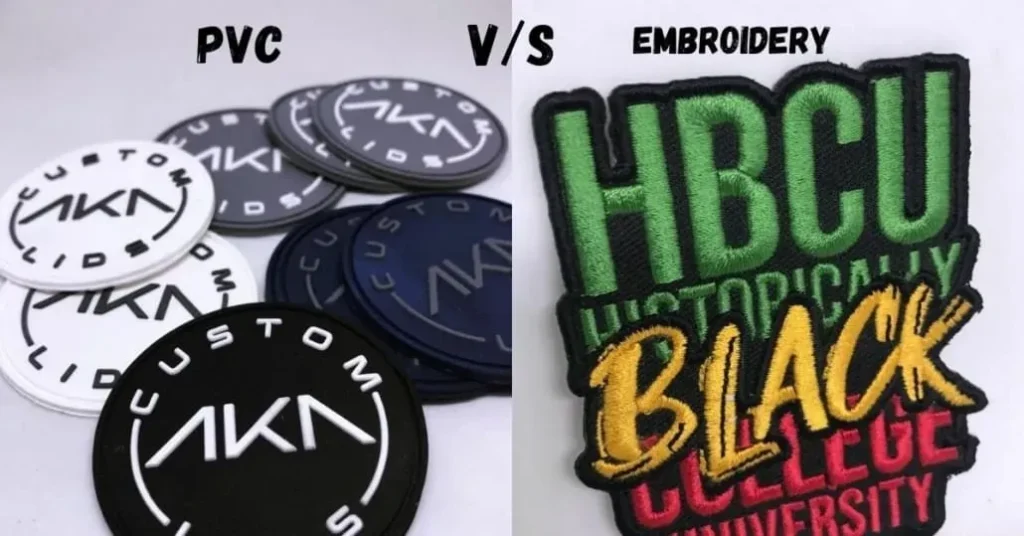
Embroidered patches remain the classic option for brands seeking a timeless, premium aesthetic. Created by stitching a design directly onto a fabric backing with multicolored threads, they deliver a tactile texture and crisp edges that read well at close viewing distances. For teams focused on heritage branding or formal uniforms, embroidered patches reinforce a sense of craftsmanship that many consumers associate with reliability.
While their look is traditional, embroidered patches also come with practical considerations. Threads can fray with heavy abrasion or repeated laundering, especially on small details. For small runs or intricate logos, unit costs can be higher than other patch types, but many brands justify the expense with perceived value and durability of the stitching.
PVC Patches: Color, Durability, and 3D Detail
PVC patches offer a bold, modern alternative with vivid color and a raised 3D appearance. Molded vinyl is formed into the design and attached to backing, producing clean edges and high contrast that stand out on bags, jackets, or uniforms. The durable surface stands up well to daily wear and outdoor conditions, making PVC patches popular for active apparel and accessories.
However, PVC patches can feel heavier and stiffer than fabric-based options, which may affect comfort on lightweight fabrics or activewear. Lead times and tooling costs can be higher for custom shapes, although unit price often drops in larger runs. Trade-offs like these are part of the broader discussion of differences between patch types when planning a collection.
Rubber Patches: Flexible Durability for Outdoor Gear
Rubber patches provide a flexible, resilient middle ground between embroidery and PVC. Made from rubber or silicone, they offer a raised or recessed design with a durable, slightly soft texture. Their resilience to heat, moisture, and impact makes them well suited for outdoor gear, workwear, and items that endure rough handling.
Rubber patches typically maintain color and shape after repeated washes and exposure to the elements, while offering bold silhouettes. They may not capture extremely fine detail as precisely as embroidery, and some color fidelity can vary slightly depending on the manufacturing method. They also tend to be more affordable than PVC in many scenarios, making them a strong choice for rugged, high-volume runs.
Embroidered vs PVC vs Rubber Patches: Key Differences and Brand Fit
Texture, durability, weight, and cost define how each patch type performs in the real world. Embroidery offers texture and heritage, PVC delivers bold color and 3D presence, and rubber adds flexible durability. Understanding these differences between patch types helps brands align with product expectations, care requirements, and customer perception.
From a branding perspective, selecting among embroidered, PVC, or rubber patches means weighing how your audience will interact with the product—whether you want premium craftsmanship, standout visuals, or rugged practicality. Consider factors like lead time, customization options, and the patch’s role in your resale or corporate gifting strategy to make the best choice.
Choosing by Use Case: Uniforms, Outdoor Gear, and Everyday Wear
For uniforms and formal apparel, embroidered patches often communicate heritage and quality, while PVC patches can provide vibrant identifiers on backpacks or outerwear. Rubber patches suit outdoor gear that needs durability and flexibility. Matching the use case with the right patch type helps ensure your branding remains consistent even under heavy use.
Practical considerations also matter: budget, order quantity, and laundering expectations. If you expect frequent wash cycles, PVC or rubber may offer longer custom patch durability in some environments, while embroidery shines with a premium feel on professional uniforms. This use-case driven approach aligns patch selection with your brand persona and product lifecycle.
Care, Longevity, and Custom Patch Durability: Best Practices
Care routines influence how long embroidered patches maintain their color and stitch integrity. Gentle washing, cold water, and turning garments inside out help minimize fraying, while avoiding high-heat dryers protects thread life. PVC patches resist weather and washing well, but edges should be checked for peeling after heavy abrasion.
Rubber patches tolerate washing well and are easy to clean, yet durability is still tied to exposure to sun and harsh conditions. When evaluating custom patch durability, consider expected wear, laundering frequency, and environmental exposure to form a long-term plan for maintenance or replacement. Understanding these care and durability factors guides decision-making across embroidered, PVC, and rubber patch options.
Frequently Asked Questions
What are the differences between Embroidered vs PVC vs Rubber Patches (embroidered patches, PVC patches, rubber patches)?
Embroidered patches use stitched thread on fabric for a traditional texture and premium look, while PVC patches are molded plastic with a 3D raised design and bright colors. Rubber patches are flexible, durable, and resist harsh conditions. Texture, weight, care needs, and cost vary, so choose based on use and branding.
Which patch type offers the best durability for uniforms: embroidered patches, PVC patches, or rubber patches?
PVC patches resist impacts and weather, making them highly durable for outdoor and active wear. Rubber patches are also tough and flexible, with excellent abrasion resistance. Embroidered patches are durable but can fray threads with heavy washing. For harsh environments, PVC or rubber patches often outperform embroidery, depending on care.
What factors should guide your decision when choosing between embroidered patches, PVC patches, and rubber patches for branding?
Brand personality, intended use, environment, care requirements, budget, and lead time all matter. Consider texture and appearance: classic embroidery vs bold 3D PVC vs flexible rubber. Also weigh scale, color needs, and long-term durability in real-world use.
Are embroidered patches or PVC patches better for outdoor gear and uniforms in terms of durability and feel?
Embroidered patches offer a timeless look with tactile stitching but may wear at edges with heavy use. PVC patches provide bold color and a sturdy 3D feel ideal for outdoor gear. Rubber patches are another option for rugged wear, combining flexibility and durability. The best choice depends on your product and comfort.
How do costs and lead times compare for embroidered patches, PVC patches, and rubber patches in custom projects?
Embroidery often has lower setup costs for simple designs but costs rise with complexity. PVC patches require tooling and molds, increasing upfront costs and lead times, though large runs reduce unit cost. Rubber patches offer a middle ground with moderate tooling and typically quicker turnaround for common shapes.
Can rubber patches deliver color fidelity and detail similar to embroidered patches, and how do they compare to PVC patches?
Embroidery excels in color richness and subtle shading through thread detail. PVC patches reproduce vivid colors and crisp edges with a strong 3D presence. Rubber patches offer bold silhouettes and good color, but may lack the fine detail of embroidery; color fidelity is often closer to PVC depending on production.
| Patch Type | Look & Texture | Durability | Weight & Feel | Color & Detail | Care & Maintenance | Cost & Lead Time | Best Use / When to Choose |
|---|---|---|---|---|---|---|---|
| Embroidered | Classic textile with thread; textured finish | Threads can fray with heavy abrasion or frequent washing | Lighter and softer | Rich thread-based color; detailed shading possible | Wash gently; cold water; avoid high heat; preserve stitching | Lower setup for simple designs; higher for complexity; small runs can be pricey | Uniforms, hats, professional branding; timeless look |
| PVC | 3D molded plastic; bold, detailed | Resists cracks; strong weather/impact resistance | Heavier and stiffer | Vivid colors; sharp edges; can reproduce gradients | Check for edge peeling after heavy abrasion | Tooling/molds add upfront costs; larger runs reduce unit cost | Backpacks, jackets, bold branding; outdoor gear |
| Rubber | Raised/recessed design; rubbery texture; matte finish | High durability; flexible; resistant to heat/moisture | Soft-to-medium weight | Bold silhouettes; customizable color; may have less fine detail | Easy to clean; retains shape after laundering | Moderate tooling; mid-range costs; quick turnaround for standard shapes | Outdoor gear, workwear, rugged items; durability + flexibility |
Summary
Below is a concise, side-by-side HTML table summarizing the key traits of embroidered, PVC, and rubber patches. It highlights look, durability, weight, color/detail capabilities, care needs, cost/lead time, and ideal use cases to help you compare options at a glance.