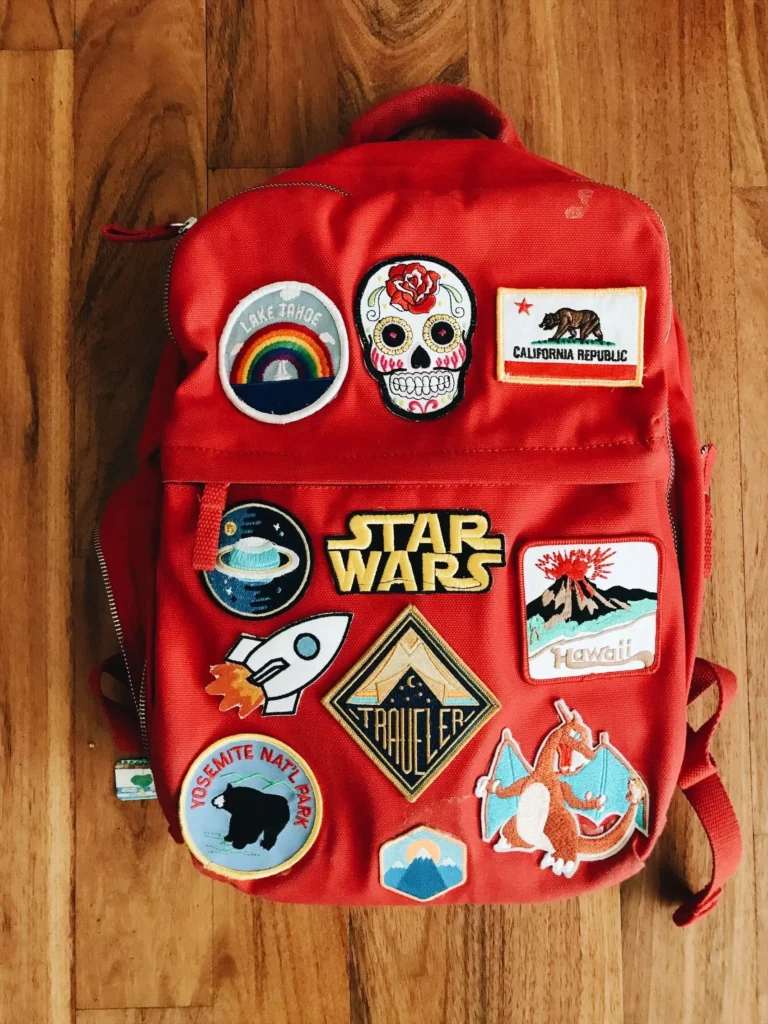
Patches for backpacks offer a simple, affordable way to express personality and turn any bag into a personal statement. From travel-inspired motifs to favorite hobbies, backpack patches ideas can tailor your bag to your unique vibe. They also work as patches for bags and backpacks, letting you repair wear while keeping the look intentional, and you can opt for custom backpack patches to express your brand. DIY backpack patches give you control over size, color, and fabric, enabling a truly personal finish. If you’re wondering how to style patches on backpacks, this guide shares practical tips to balance color, texture, and placement for a cohesive look.
Viewed through a broader lens, these adornments are decorative badges for your everyday bag, offering a playful way to narrate interests. Alternative terms like fabric insignias, woven emblems, embroidered patches, and magnetic or iron-on badges expand the concept beyond traditional sew-ons. This semantic variety helps you plan a layered look that remains flexible, easy to swap, and aligned with evolving tastes. Whether you call them badges, patches, or emblems, the goal stays the same: personalize your carry item while preserving its function. Experiment with clusters and motifs to build a signature style you can carry with you.
1) Creative Backpack Patches: Ideas to Personalize Your Bag
Patches for backpacks offer a playful and expressive way to tell your story. By choosing backpack patches ideas that reflect your interests, travels, and hobbies, you can turn an ordinary bag into a portable gallery of memories. This approach keeps your everyday carry visually engaging while staying true to your personal vibe. Whether you lean minimalist or bold, patches for bags and backpacks let you craft a look that travels with you.
Think in themes or narratives—travel symbols like compasses, city skylines, or passport stamps; hobby motifs such as sports, music, or books; or personal reminders like initials and quotes. Layering patches creates depth, and the right color balance helps the bag feel cohesive rather than cluttered. The key is to select patches that speak to you, then rotate them as your interests shift so the bag always feels current.
2) DIY Backpack Patches: From Concept to Creation
DIY backpack patches put you in the driver’s seat, letting you control size, color, and fabric to match your bag’s material. Denim, canvas, nylon, and leather patches each respond differently, so choosing the right patch material for your bag extends wear and keeps appearances sharp. Methods include iron-on for quick updates, sew-on for durability, or fabric glue for delicate fabrics—each with its own pros and caveats.
Begin by preparing the bag surface, then plan placement with a visual layout before attaching. Consider color balance, scale, and negative space to avoid a crowded look. After attaching, test gently by tugging on patches to ensure security, then follow through with proper care—washing guidelines and drying methods that protect both the patches and the base bag.
3) How to Style Patches on Backpacks: Practical Techniques for a Cohesive Look
Learning how to style patches on backpacks starts with a focal patch that anchors the overall look. Build from that center piece and introduce smaller patches to create a balanced composition. When choosing patches, consider a color palette with 2–3 dominant tones so patches for bags and backpacks look intentional rather than random.
Mix textures and shapes to add visual interest—combine round, square, and irregular patches with enamel, embroidery, and woven textures. Place patches on the front panel for visibility, then softly spread secondary patches along edges or straps. Remember, restraint often yields a sharper result: a few well-placed patches can be more striking than a crowded surface, and rotating them over time keeps the style fresh.
4) Choosing Patch Types and Caring for Your Patches
Understanding patch types helps you pick the right option for your backpack. Iron-on patches are convenient on sturdy fabrics like canvas, while sew-on patches offer durability on heavy-use bags. Embroidered patches bring a classic texture, and enamel patches deliver bold visuals that stand out on plain surfaces. Each type has care implications that influence longevity.
Care strategies matter as much as selection. Turn the backpack inside out during washing to reduce wear on patches, use a gentle cycle with cool water, and air-dry to preserve adhesives or stitching. Regularly check patches after washing and re-secure any loose edges. For sewn-on options, inspect stitches and re-stitch if needed to maintain a clean, lasting look.
5) Custom Backpack Patches: Design Ideas and How to Source Them
Custom backpack patches let you express identity with one-of-a-kind artwork. Whether you design handwriting, club emblems, or bespoke illustrations, custom patches can be commissioned from designers, studios, or print shops. Options include embroidered patches, printed fabric designs, and mixed-material patches that pair embroidery with leather accents for a premium feel.
A personalized patch story lets your bag reflect your brand or mood as it evolves. You can swap custom patches as trends shift or seasons change, ensuring your backpack stays current with minimal effort. When planning, consider durability, attachment method, and how the patch complements your base color and overall style.
6) Patch Placement, Rotation, and Longevity: Keeping Your Backpack Fresh
Smart patch placement shapes how your bag is perceived. Try a center-front focal patch on flat panels, or distribute patches along the top flap, pockets, straps, and seams for a playful yet intentional look. For durability, align patches with seams and test for rubbing or snagging during wear.
Rotation is a simple way to refresh your bag without buying a new one. Swap patches seasonally or after completing a project, a trip, or a milestone. For longevity, follow care guidelines: wash inside out when needed, choose gentle cycles, air-dry, and re-secure any loose patches. If you decide to remove patches, do so carefully to minimize fabric damage and preserve the underlying material.
Frequently Asked Questions
What are patches for backpacks and how can they personalize my bag?
Patches for backpacks are fabric badges you attach to your bag to express personality, interests, or memories. They’re affordable, reversible, and can transform a dull bag into a statement piece without buying a new backpack. Start with a few patches that fit your vibe and plan placement for balance and readability. If you’re wondering how to style patches on backpacks, begin with one focal patch and build around it to keep the look cohesive.
How do I choose patches for bags and backpacks that fit my style?
Begin with a clear theme that matches your style, then choose patches for bags and backpacks that share a color palette. Aim for 2–3 dominant colors and look for motifs that echo your vibe. Mix textures like embroidery, enamel, and woven for depth, while avoiding crowding the surface to maintain balance.
What are DIY backpack patches and how do I get started?
DIY backpack patches give you control over size, color, and fabric. Start by selecting patches that suit your bag’s material (canvas, denim, nylon, or leather), then choose a method (iron-on, sew-on, or fabric glue). Prepare the bag surface, plan placement, attach patches securely, and test for durability. For longevity, wash work-in-progress patches inside out and re-secure if needed.
Where should I place patches on backpacks, and how to style patches on backpacks for a cohesive look?
Patch placement shapes the bag’s look. Place a focal patch at the front panel center for a strong anchor, or use patches on the top flap, pockets, or straps for a playful reveal. To learn how to style patches on backpacks, aim for balance: pick patches that share a color family, vary shapes and textures, and avoid overcrowding.
What are the different patch types and care considerations for patches for backpacks?
Common patch types include iron-on, sew-on, embroidered, and enamel patches. Care tips: turn the backpack inside out before washing, use a gentle cycle with cool water, and air-dry to protect patches. Re-secure any loose patches after cleaning, and follow patch-specific instructions for best results.
How can custom backpack patches help me create a unique look?
Custom backpack patches let you design graphics, text, or logos that reflect your identity. You can commission embroidery patches, print custom graphics, or mix materials like embroidery with leather accents for a premium feel. With custom patches, you can swap designs as trends or moods change to keep your bag truly yours.
| Topic | Key Points |
|---|---|
| What patches for backpacks are | Simple, affordable way to express personality; can repair frayed areas; patches are reversible; transforms a bag into a personal statement. |
| Why patches for backpacks matter | Communicate interests and values; create a visual narrative; offer a practical repair that looks intentional; patches are reversible and interchangeable. |
| Patch ideas | Travel/icons; hobbies; personal reminders; seasonal/mashion milestones; color/texture variety; custom or one‑of‑a‑kind patches. |
| DIY backpack patches | Choose patch fabric to suit bag material; methods include iron-on, sew-on, or fabric glue; plan placement; attach securely; seal and test; maintain over time. |
| How to style patches | Start with a focal patch; build a color palette; vary shapes/textures; mind placement for visibility; avoid overcrowding; consider color-blocking and personal initials/quotes. |
| Patch placement and composition | Front panel center for a strong focal point; top flap/pockets for easy reveal; patches on straps or sides for subtle interest; bottom corners for balance; align to seams to reduce bulk. |
| Different patch types and their care | Iron-on; Sew-on; Embroidered; Enamel patches; care: heat considerations, durability, washing guidelines and fabric compatibility. |
| Custom backpack patches | Design or commission embroidery; printed or mixed-material patches; personalized text; easy to swap as trends change. |
| Care, maintenance, and longevity | Turn inside out when washing; use gentle cycle; air-dry; re-secure loose patches; re-stitch sewn patches; follow removal instructions to preserve fabric. |
| Real-world examples and use cases | Students curate club/memorial patches; travelers collect destination/language patches; parents commemorate family trips; showcases evolving interests. |
| Quick-start guide for beginners | Gather patches aligned with bag color; pick a focal patch plus supporting patches; choose attachment method; plan placement; test by wearing; wash and re-evaluate. |
Summary
Patches for backpacks offer a versatile, creative way to express individuality and extend the life of a bag. By exploring backpack patches ideas, embracing DIY backpack patches, and learning how to style patches on backpacks, you can craft a look that evolves with your mood and adventures. Whether you opt for custom backpack patches or curated patches from favorite brands, the key is balance, color, and a clear personal story. Start small, experiment with placement, and let patches for backpacks become a walking gallery of your life.