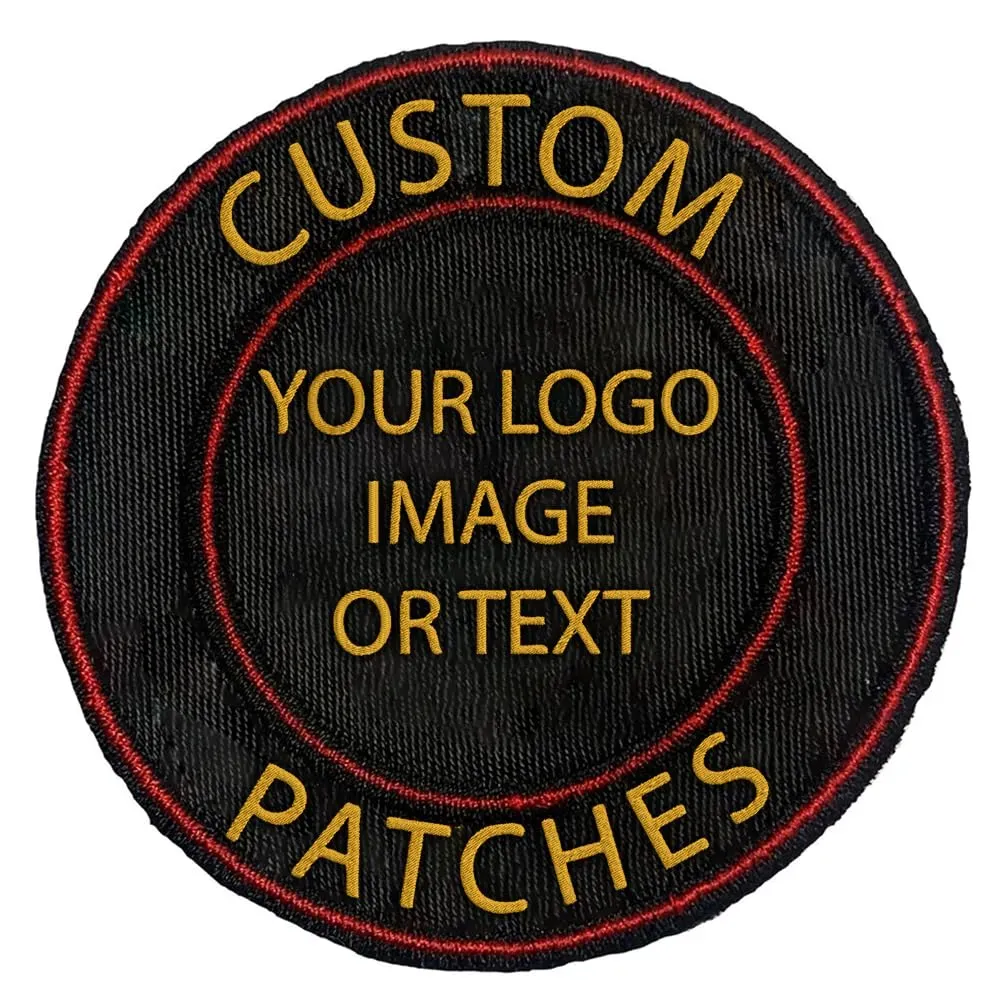
Custom Patch Design sets the stage for patches that people remember, blending shape, color, material, and placement into a single wearable message. This discipline blends graphic design with textile craft to create tiny canvases that express identity, values, and stories. Whether you’re patching a sports team, a streetwear line, or a corporate uniform, the best patches read from a distance, endure wear, and stay true to branding with patches. In this guide we share tips for crafting patches, covering ideation, sketching, digitizing, prototyping, and production. By focusing on composition, color, materials, scale, and branding, you’ll improve your patch design and give wearers something they proudly display.
Beyond the term patch design, this craft blends textile art with graphic storytelling to create embroidered insignias that communicate identity. Think of these badges as brand emblems stitched onto apparel—compact, durable signals that reinforce recognition and loyalty. From concept to production, the same principles apply whether the audience is a sports team, a streetwear label, or a corporate program.
Frequently Asked Questions
What is Custom Patch Design and why is memorable patch design important?
Custom Patch Design blends graphic design and textile craft to create small fabric canvases that convey identity, values, and stories. A memorable patch design prioritizes a clear concept, legibility from a distance, and consistent branding, using shape, color, and finish to tell the right story.
How to design patches that are legible from a distance within a Custom Patch Design process?
Start with a strong concept and translate it into simple symbols and bold shapes. In embroidery patch design ideas, favor solid color fields, high contrast, and clean outlines. Limit color count to two or three hues and test at sleeve and back sizes to ensure the design reads clearly.
What color strategies work best for Custom Patch Design across fabrics and branding with patches?
Choose a dominant brand color, an accent color, and a neutral background. Consider thread types and finishes (e.g., rayon vs. polyester) for sheen and durability. Use high-contrast color pairings to preserve legibility on common fabrics like denim, twill, or black nylon, ensuring the patch aligns with branding with patches.
What sizes, shapes, and finishes should I consider for durable Custom Patch Design?
Use standard sizes as baselines (2–3 inches for sleeves, 4–6 inches for backs). Circles and shields are versatile and readable, while irregular shapes can add identity with careful edge finishing. Choose a finish such as a merrow border for durability, satin border for polish, or a die-cut edge for a modern look, maintaining consistency across the patch library.
How can I apply brand storytelling through Custom Patch Design and branding with patches?
Treat patches as brand touchpoints and storytellers. Align color, typography, and imagery with the brand voice, and plan placement for each use (teams, streetwear, corporate). Create a mini-brand bible for patches with approved color swatches, font choices, wear tests, and usage guidelines to scale the program.
What is a practical workflow for Custom Patch Design from ideation to production?
Follow a five-step workflow: ideation and concept writing, thumbnail sketches, digitizing and vectorizing, prototyping and wear testing, and final production with color proofs. At each stage, reference how to design patches principles to ensure legibility, durability, and brand coherence across jackets, backpacks, or hats.
| Aspect | Key Points |
|---|---|
| Definition & purpose | Designing patches blends graphic design with textile craft to create small canvases that communicate identity, values, and stories. Patches should be legible from distance, durable in wear, and consistent with the brand voice. |
| What patches aim to achieve | Patch designs should work on jackets, backpacks, or hats and tell the right story while remaining durable and aligned with the brand voice. |
| Process overview | Ideation, sketching, digitizing, prototyping, and final production to ensure patches look great and convey the intended message. |
| Tip 1 — Clear concept | Define the story before stitching; translate into a simple symbol; sketch multiple thumbnails; pick a legible composition that reads well at small and large sizes. |
| Tip 2 — Legibility over detail | Favor bold, high-contrast shapes; limit colors to 2–3 hues; use clean lines and strong outlines so the design reads from a distance. |
| Tip 3 — Color wisely | Choose a baseline dominant color, an accent color, and a neutral background; consider thread type and finish; ensure contrast for legible text. |
| Tip 4 — Size, shape, and finish | Use standard sizes (e.g., 2–3 inches for sleeves, 4–6 inches for back patches); circles/shields read easily; finishes like merrow border, satin stitching, or die-cut edge affect durability and look. |
| Tip 5 — Brand storytelling & usage | Align with branding guidelines; plan wear scenarios; create a mini-brand bible (colors, fonts, tests, placements) and manage rights for partners. |
Summary
Conclusion: Custom Patch Design brings together graphic clarity, textile craft, and brand storytelling to create durable, legible patches that communicate identity and values. By starting with a clear concept, prioritizing legibility, choosing colors thoughtfully, sizing and finishing for durability, and aligning with a brand narrative, designers can build patches that act as enduring ambassadors for a team, brand, or community. This five-tip framework supports ideation through production, ensuring patches look great on jackets, backpacks, or hats and tell the intended story. In practice, a cohesive approach—backed by a mini-brand bible and consistent finishes—helps scale patch programs while preserving a memorable patch design across collaborations.