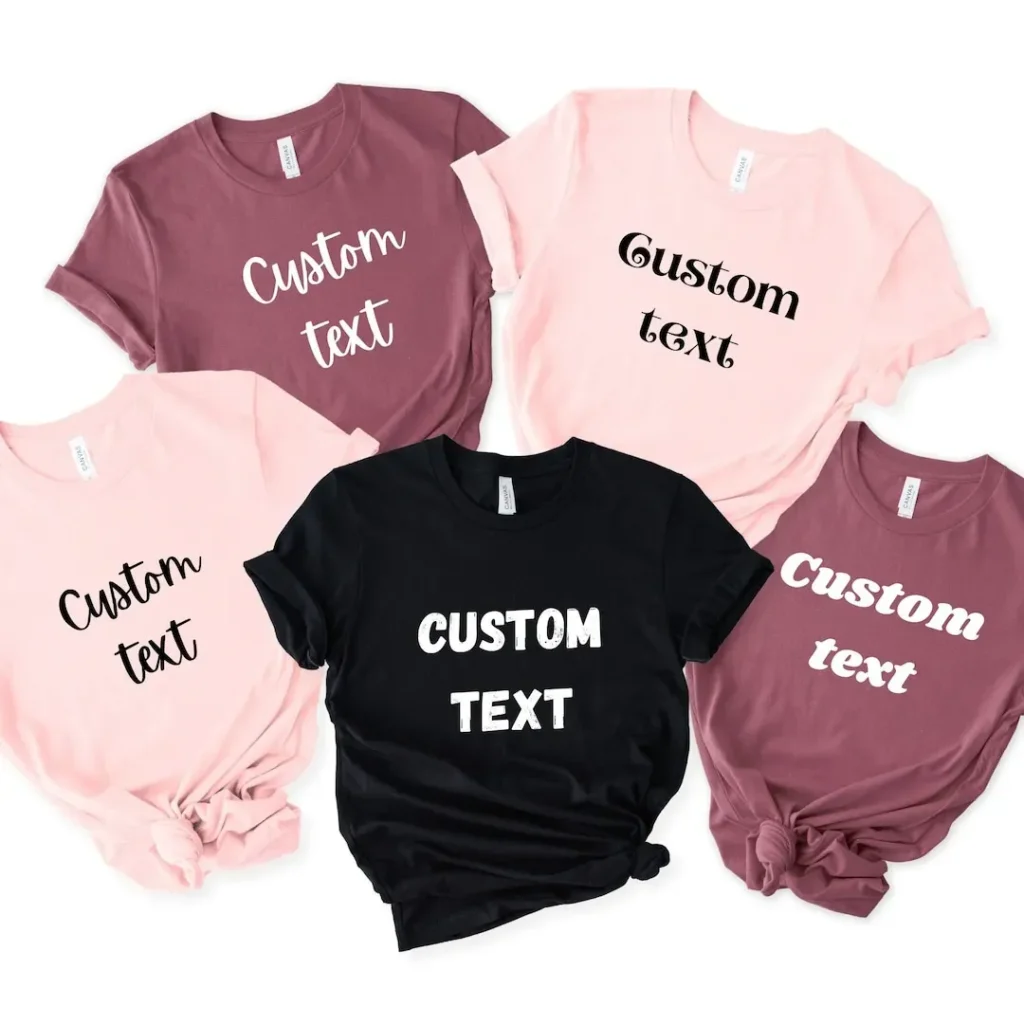
Custom shirts turn fabric into a wearable canvas for branding, events, or personal style. From corporate teams to charity campaigns, they offer high visibility without sacrificing comfort. If you’re planning a design session, explore custom shirt design ideas to spark creativity while keeping legibility. Choosing the right fabric types for custom shirts balances warmth, breathability, and print quality across ages and activities. When you’re ready to act, learn how to order custom shirts, compare different custom shirt printing methods, and consult size guides for custom shirts to ensure a confident fit.
Think of this as personalized apparel—made-to-order tees that reflect a brand, team spirit, or personal style. Rather than a generic T-shirt, you’re crafting bespoke garments with tailored fits and materials chosen for comfort and performance. From apparel customization to branding merchandise, the overarching aim is to align fabric choices, print techniques, and sizing with the event or audience. This approach emphasizes practical guidance on specs, production timelines, and care to help you communicate clearly through clothing.
Custom Shirts: From Concept to Brand Identity
Turning a concept into a wearable brand starts with a clear brief that outlines the purpose, audience, and tone. Custom shirts are more than apparel; they’re a canvas for branding, events, team identity, or personal style, and a well-defined concept helps ensure the final shirt communicates your message at a distance and up close.
Exploring custom shirt design ideas begins with alignment between the idea and practical constraints. Consider bold logo placements, typography that reflects your brand, and themed graphics that resonate with participants. When you pair these ideas with a deliberate color palette and placement strategy, you create a cohesive identity that looks intentional and communicates your purpose clearly.
Fabric Types for Custom Shirts: Finding the Right Feel and Finish
Understanding fabric types for custom shirts is essential to balance comfort, durability, print quality, and cost. Common options include 100% cotton for a classic, breathable feel; cotton/poly blends for wrinkle resistance and durability; and organic cotton for brands prioritizing sustainability. Each choice affects how a design looks after printing and how the fabric wears over time.
Testing fabric swatches and print tests helps you see how ink adheres to textures such as jersey knits or heather finishes. If you’re unsure which fabric to choose, request swatches to compare hand feel, ink absorption, and how the fabric behaves in your event environment. These practical checks are part of evaluating fabric types for custom shirts before committing to production.
Printing Methods and Embroidery for Custom Shirts
Printing methods and embroidery determine cost, color quality, and the final look of your shirts. The main options include screen printing for bold, durable color fills; direct-to-garment (DTG) for detailed, multi-color designs; and heat transfer or vinyl for small batches or intricate artwork. Each method has its own tradeoffs in terms of feel, wash durability, and setup cost.
Embroidery adds texture and a premium feel, especially for logos or initials, and is often paired with other techniques to balance aesthetics and cost. Hybrid approaches—such as embroidery for a chest logo with DTG or screen printing for back text—can optimize visual impact while managing production expenses.
How to Order Custom Shirts: A Step-by-Step Planning Guide
How to order custom shirts starts with a clear workflow: gather vector artwork (AI, EPS, or PDF) or arrange design conversion to vector if needed, and create a detailed spec sheet that covers garment type, color, size range, printing method, print locations, and color counts. A well-prepared spec minimizes back-and-forth and helps printers deliver consistent results.
Proofs are essential before production. Request digital or physical proofs to verify colors, placement, and size. Also check lead times, minimums, and whether you should order a test batch to validate fit and print quality. A thoughtful ordering process reduces surprises and ensures your custom shirts meet expectations when they arrive.
Size Guides for Custom Shirts: Achieving the Perfect Fit
Size guides for custom shirts should be easy to find and include detailed measurements such as chest, waist, sleeve length, and garment length. Providing a standard size chart (S–XXL) helps accommodate a broad audience and reduces returns by setting clear expectations.
Consider offering multiple cuts—unisex, men’s, and women’s—and explain how each differs in fit. Include measurement tips, a fit preview, or a recommendation system based on customer measurements to help buyers choose confidently. Supplemental options like sample sizes for groups can further reduce sizing issues and improve satisfaction.
Design Ideas and Placement: Custom Shirt Design Ideas to Elevate Your Message
Design ideas for custom shirts should balance creativity with print feasibility. Oversized typography, minimal line art, or bold emblems can create strong visual impact, especially when paired with strategic placements like chest logos, back branding, or sleeve graphics. These design ideas can help your message stand out without compromising wearability.
Placement and color strategy play a critical role in legibility and brand alignment. Limit colors for cost efficiency and ensure high-contrast combinations for readability from a distance. By aligning typography, color palette, and placement with your brand guidelines, you can achieve a cohesive look that reinforces the intended message and remains practical for printing.
Frequently Asked Questions
What are some custom shirt design ideas to elevate your Custom shirts campaign?
Consider bold logo placement, oversized typography, simple icons, or themed group artwork. Aim for high contrast and legibility from a distance, while keeping the design clean enough to read up close. For multi‑color work, limit colors to two or three and ensure scalability for different shirt sizes.
Which fabric types for custom shirts should I consider for comfort and durability?
Fabric types for custom shirts include 100% cotton for comfort, cotton/poly blends for wrinkle resistance and durability, and organic cotton for sustainability. Performance fabrics with moisture-wicking suit active events. Always test swatches and prints to verify how the fabric takes ink and feels on skin.
How to order custom shirts: what steps are involved from design to delivery?
Start with a clear brief and vector artwork, then build a detailed spec sheet (garment type, colors, size range, print locations, color counts). Request proofs before production and confirm lead times and minimums to avoid delays. Communicate any special instructions upfront to ensure accuracy.
What are the main custom shirt printing methods and when should you use them?
Screen printing is cost-effective for bulk orders with solid colors and bold graphics. Direct-to-garment (DTG) handles detailed multi‑color designs in small runs. Heat transfer and vinyl work well for small batches or highly detailed graphics, while embroidery adds a premium feel for logos. Hybrid approaches can balance cost and aesthetics.
Why are size guides for custom shirts important and how do you choose the right fit?
Size guides for custom shirts help reduce returns and improve comfort. Provide a standard size chart (S–XXL) and note differences between unisex, men’s, and women’s cuts. Include chest, waist, sleeve length, and garment length measurements, plus tips on how to measure accurately.
How to order custom shirts: what steps ensure quality and on-time delivery?
Prepare artwork (vector preferred), build a detailed spec sheet, choose printing method and locations, and request proofs before production. Confirm color references (Pantone if possible), plan a test batch, and then scale up to full production to meet your event or campaign timeline.
| Aspect | Key Points |
|---|---|
| Focus keyword | Custom shirts (SEO anchor) |
| Related keywords | custom shirt design ideas; fabric types for custom shirts; how to order custom shirts; custom shirt printing methods; size guides for custom shirts |
| Post Title | Custom Shirts: Ultimate Guide to Design, Fabric & Ordering |
| Meta Description | Learn how to design custom shirts, choose fabrics, and place orders with confidence—embroidery, screen printing, fit tips, and timing for any event. Quick tips. |
| Introduction | Custom shirts are a wearable canvas for branding, events, team identities, or personal style. This guide covers concept to care for creating custom shirts. |
| Design considerations | Focus on communicating a message quickly and memorably. Key elements: logo/branding (scalable, legible), typography (readable on fabric), color palette (limited colors), placement (chest, back, sleeves), and design ideas (bold emblem, oversized typography). Consider end-user comfort for effectiveness. |
| Fabric choices | Common options: 100% cotton; cotton/poly blends; organic cotton; performance fabrics; weight considerations; finish/texture (jersey, slub/heather). Test swatches to confirm ink uptake and feel. |
| Printing methods | Screen printing; Direct-to-garment (DTG); Heat transfer/vinyl; Embroidery; Hybrid approaches. Proofs recommended to compare color, placement, and durability. |
| Sizing and fit | Use standard size charts; explain unisex vs men’s vs women’s cuts; address length, neckline, sleeve openings; provide size guides and consider fit previews or recommendations. |
| Ordering tips | Prepare artwork in vector (AI/EPS) or scalable high-res raster; create a clear spec sheet; request proofs; check lead times/minimums; consider test batches; plan for color matching; provide care instructions. |
| Quality checks & care | Quality control at design, pre-production, and post-production; inspect prints for misprints and color; provide care instructions to end-users. |
| Cost considerations | Garment price, printing method, number of colors/locations, and whether using embroidery. Bulk orders reduce unit costs; consider simpler palettes or phased rollout. |
| Common pitfalls | Skipping proofs; overcomplicated designs; ignoring fabric compatibility; inadequate sizing guidance; rushing timelines. |
Summary
Conclusion
Custom shirts offer a powerful way to express a brand, celebrate an event, or showcase individual style. By carefully considering design elements, selecting appropriate fabric types for custom shirts, choosing the right printing or embroidery method, and establishing a clear ordering process with solid size guidance, you can achieve professional results that look great and wear well. The key is to balance aesthetics with practicality: keep the design simple and impactful, pick fabrics that feel comfortable in the intended environment, and communicate clearly with your printer from concept through delivery. If you follow these guidelines, your custom shirts will not only look fantastic but also deliver on their messaging and durability for the long term.